








How Safe Is the 2025 Audi Q3? Real Crash Test Results You Should See
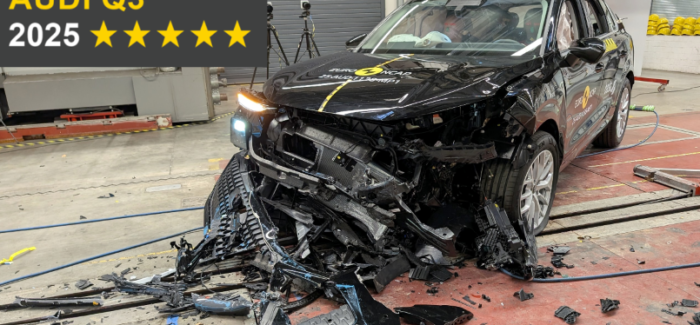
The 2025 Audi Q3 just completed a fresh round of safety testing, and it shows the kind of calm confidence you want in a family-size small SUV. In the frontal offset crash, the cabin stayed stable and the protection for knees and femurs was reassuring for both front occupants. In the full-width barrier, chest protection for the driver and a rear passenger was only marginal, and testers saw the driver’s pelvis slide under the belt in a classic “submarining” moment, which triggered a penalty. That note matters because it shows where real-world belt fit and seating position still count.
On the flip side, side-impact performance is the Q3 at its best. It scored top marks in the barrier and the more severe pole test, with good readings across critical body areas. Far-side control was adequate. The center airbag is there to limit head-to-head contact, but in some situations it may not fully prevent it. Whiplash performance was strong in both front and rear seats, backed by solid head-restraint geometry. Beyond the impact tests, you also get the meaningful stuff: advanced emergency call, multi-collision braking to prevent secondary hits, and confirmations that doors and windows can be opened after submergence.
Parents will like that the Q3 handled the six-year-old and ten-year-old dummies well in frontal and side tests, with clear airbag status information and straightforward child-seat installation across i-Size and ISOFIX positions. There is also an indirect child presence detection function that warns if someone small might have been left in the car.
For people outside the car, the front end is mostly friendly to heads, legs, and pelvis in the impact mapping, with tougher zones around the screen pillars. The camera-and-radar system reacts to pedestrians, cyclists, and other vehicles. The reverse pedestrian and cyclist-dooring features exist on some trims but are not universally assessed. Lane support works with gentle nudges and can step in during critical moments. Speed-limit reading uses camera and map data, and the limiter can be set, though it does not default on. Driver status monitoring looks for fatigue rather than distraction.
Submit a Comment