








Stelato S9T: The Electric Wagon From Huawei’s HIMA You Did Not See Coming
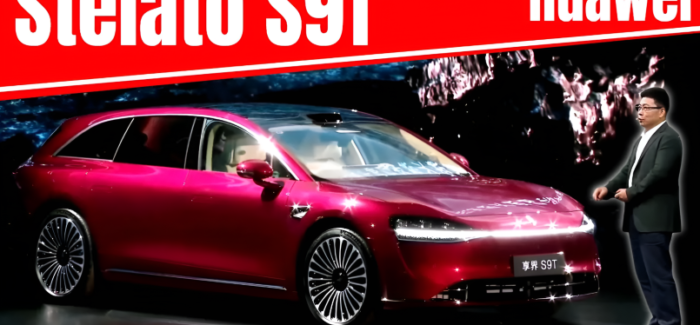
The wagon is quietly making a comeback, and this time the long roof is electric. Stelato, the premium brand co-developed by BAIC and Huawei, is preparing the S9T electric wagon as the next step in Huawei’s Harmony Intelligent Mobility Alliance. The promise is simple: executive-class comfort, family-friendly utility, and a software-first driving experience that feels a step ahead.
Huawei’s alliance, often shortened to HIMA, is a shared technology and retail ecosystem. Instead of building every part from scratch, member brands tap into Huawei’s strengths: the Harmony Operating System cockpit, the Qiankun advanced driver assistance system, and tightly integrated vehicle dynamics software. The result is that a Stelato in a showroom sits beside other alliance models, all using the same digital backbone and over-the-air update strategy.
The S9T takes the elegant fastback look of the S9 sedan and adds a longer roofline for real-world practicality. Think weekend road trips, camera gear, strollers, and skis without fuss. The footprint is substantial—around 5,160 millimeters in length with a wheelbase near 3,050 millimeters—so it reads more like a flagship than a compact wagon. Designers kept the proportions clean, with a wide stance and short overhangs that help the car look planted rather than bulky.
Powertrain options are expected to mirror the sedan. That means a battery electric version with single-motor rear drive or dual-motor all wheel drive, and a range-extended version that pairs a 1.5-liter generator with a sizable battery for low-stress long hauls. Reports point to pack sizes up to roughly 100 kilowatt hours and claimed domestic-cycle ranges approaching 800 kilometers for the right configuration. Translation: daily driving remains on battery power, and road trips feel simple.
Inside, the focus is serenity and screen clarity. The Harmony Operating System powers a quick, app-rich interface with seamless phone mirroring, high-resolution navigation, and voice control that understands natural speech. Expect premium materials, supportive seats, and the kind of noise isolation that makes a long commute feel shorter. With the extended roof, the cargo area gains meaningful height and depth, so you do not have to play suitcase Tetris.
The technology story extends beyond the dashboard. Huawei’s Qiankun driver assistance stack uses light detection and ranging sensors, camera arrays, and high-precision maps to deliver confident lane keeping, highway pilot functions, and smart parking in dense cities. Because the software is unified across alliance brands, features arrive consistently via over-the-air updates rather than waiting for a mid-cycle hardware change.
Charging and ownership are designed to be uncomplicated. Direct current fast charging, intelligent battery management, and route planning that accounts for weather and elevation aim to reduce decision fatigue. The expected warranty coverage and service pathway will lean on Huawei’s retail network alongside BAIC’s production and aftersales footprint, which should help with nationwide confidence at launch.
Where does the S9T sit in the market? It targets buyers who love the idea of a Porsche Taycan Sport Turismo or a Zeekr 001 but want a software-centric experience, a calmer ride, and a cabin that feels like a well-tuned smart device. If the final pricing follows the sedan’s strategy, value could be a core strength. The bigger story, though, is what the S9T represents: Huawei’s ecosystem logic applied to a body style enthusiasts adore and families actually use.
Submit a Comment