








Porsche Cayenne Electric: Digital Twin vs Real World—What They Found
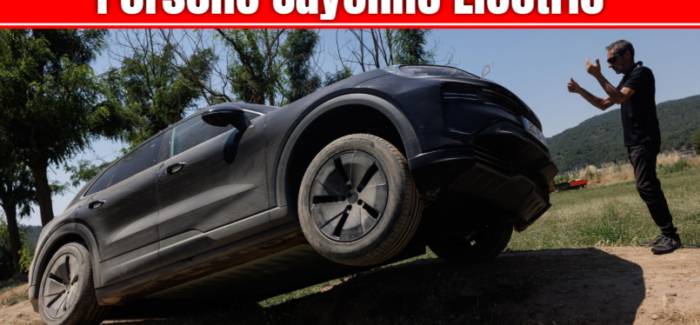
Porsche’s next Cayenne Electric is being shaped by more digital testing than any project in the brand’s history, yet it still trusts human judgment for the final word. Engineers drove virtual prototypes long before any metal was cut, then took pre-series vehicles into freezing cold and scorching heat to see how the sport utility vehicle behaves when life gets messy.
The shift is big: Porsche moved directly from whole-vehicle digital testing to pre-series production. About 120 traditional mule cars were largely replaced by detailed digital twins that could be tweaked in hours instead of weeks. Using powerful real-time simulations, precisely digitized routes from the Nürburgring to everyday traffic, and decades of development experience, the team explored countless “what if” scenarios before the first physical parts arrived.
Virtual reality let engineers sit inside the future sport utility vehicle and test ergonomics and control strategies while components still existed only as data. Once hardware landed, results were verified on benches—especially a new composite test bench that links drive unit, battery, energy management, and charging into one system. Four high-output synchronous motors can simulate grades, rolling resistance, braking forces, and even different asphalt textures or tire slip, while environmental conditions are dialed in on command.
That setup is intense enough to feed a full Nürburgring Nordschleife lap into the bench in real time. Maximum power must be available the instant the driver asks for it, which stresses thermal management. To keep performance repeatable, the Cayenne Electric uses its most capable heating and cooling systems yet to condition the battery and powertrain for hard driving and rapid charging.
Even with digital precision, Porsche finishes by feel. Test drivers at Weissach refine the balance between control systems and natural dynamics until the car feels confident on a racetrack, calm in a city crawl, and composed off-road. Charging strategy gets special attention: regardless of how you drove before stopping—even after a traffic jam—the vehicle aims to arrive at the charger preconditioned for fast charging.
Then come the climate gauntlets. In the Gulf States and Death Valley, systems run through functional tests at up to 50 degrees Celsius. In Scandinavia, at around minus 35 degrees Celsius, engineers evaluate cold starts, traction, handling, braking, and control logic performance. In both extremes, the sport utility vehicle still has to charge quickly without drama.
Endurance work compresses a lifetime into months. Under everyday conditions, vehicles rack up more than 150,000 kilometers in shifts across cities, country roads, and highways. Combined with the digital head start, Porsche says development time for the Cayenne Electric has been reduced by about 20 percent, while also cutting materials and waste.
Submit a Comment