








Polestar 3 Just Leveled Up: 350 kW Charging, Orin Brain, New Trims Explained
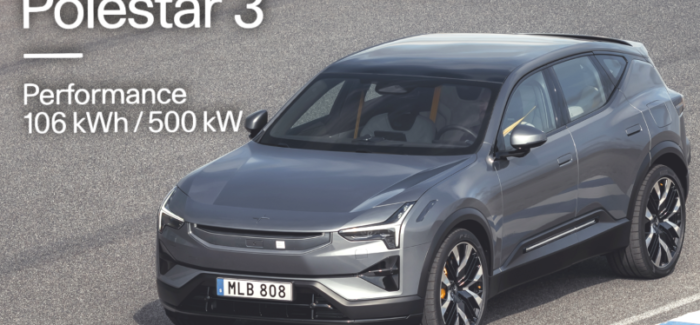
Polestar is giving its flagship SUV a serious glow-up for the 2026 model year. The Polestar 3 gets a new 800 Volt electrical backbone, more power, faster charging, and a big bump in computing muscle. On paper it looks like a refresh, but from the driver’s seat it feels like a reset: quicker road trips, sharper responses, and smarter assistance working quietly in the background.
The headline upgrade is the 800 Volt architecture. It unlocks DC fast charging up to 350 kW, so a 10 to 80 percent top-up can take as little as 22 minutes when you find a capable charger. The system also improves efficiency by up to 6 percent on the WLTP cycle, and it pairs with new CATL lithium-ion packs: a 92 kWh battery for the Rear motor version and a 106 kWh pack for the Dual motor and Performance variants. The net effect is simple—less time parked, more time driving.
There is meaningful hardware underneath, too. Every Polestar 3 now uses an in-house permanent-magnet synchronous rear motor with higher output, teamed with an asynchronous front motor. In the Performance variant, total system power rises to as much as 500 kW. The front motor can now automatically disconnect when it is not needed, trimming drag and sipping less energy during daily cruising. Engineers also pushed the balance rearward, revised anti-roll bars, and refined steering software so the SUV feels more direct without getting twitchy.
The brains get as much love as the brawn. Polestar swaps the core computer to NVIDIA DRIVE AGX Orin, jumping from 30 TOPS to 254 TOPS of processing power. That is a massive leap for sensor fusion, active safety logic, battery management, and the general smoothness of a true software-defined vehicle. In a move owners will appreciate, Polestar plans a complimentary retrofit for existing Polestar 3 customers beginning in early 2026, so nobody is left behind as the platform advances.
Trims are simpler and clearer: Rear motor, Dual motor, and Performance. Active air suspension is now optional on Dual motor and remains standard on Performance. Details matter, and Polestar leans into its design language—from the new Storm dark-gray metallic paint to updated door graphics that call out the model and variant. Inside, the standard upholstery switches to Bio-attributed MicroTech in Charcoal, and the repurposed aluminum trim that used to be optional is now included. The Bowers & Wilkins audio with headrest speakers and active road-noise cancellation can be added as a standalone option or within the Plus pack. Packs are tidier overall, with a new Climate pack (heated rear seats, heated steering wheel, heated wiper blades) and a Prime pack that combines Pilot, Plus, and Climate with rear privacy glass. Even the seatbelts tell the story: black for Rear motor, black with a Swedish-gold stripe for Dual motor, and full Swedish gold for Performance.
Availability starts in the United Kingdom first due to strong demand, with other markets following. If the mission is an electric SUV that charges faster, drives better, and thinks quicker, the upgraded Polestar 3 hits the brief.
Submit a Comment