








New 2026 TOYOTA Hilux: Electric Workhorse, Tacoma Looks, And Smarter Interior
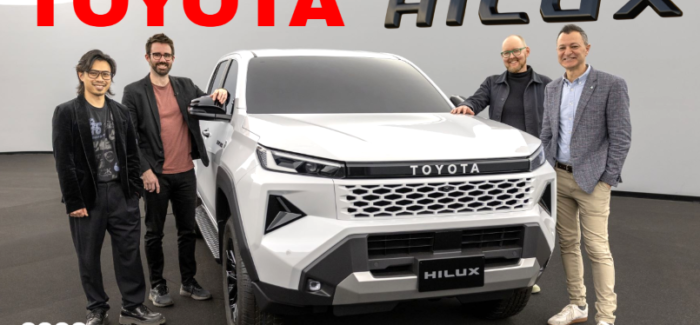
Toyota has finally decided it is time to bring the Hilux into the modern era, and it is doing it in a big way. The current truck has been a solid work partner for years, but it was clearly time for something fresher, smarter, and more in tune with how people actually use pickups today. For 2026, the Hilux steps into its ninth generation and Toyota is not just giving it a new face. It is giving it new powertrains, new tech, and for the first time ever, a fully electric version that leads the launch. That alone tells you how serious Toyota is about keeping this truck relevant.
The first thing people will notice is that the new Hilux looks tougher and more premium. The design has become sharper and more angular, almost like a smaller Tacoma, and Toyota has ditched the classic emblem on the nose for a bold Toyota wordmark. On the battery electric model, the front end is closed off since it does not need the same amount of cooling as a diesel or gasoline truck. Combustion versions will get a proper grille. There is also a charging port on the front fender for the electric model, while diesel and gasoline versions will keep the fuel door at the rear. At the back, Toyota leaned into a bit of American truck style with big debossed Toyota lettering on the tailgate, a new rear deck step, and redesigned side steps to make getting in and out easier.
Inside is where longtime Hilux owners will really feel the jump in generations. The old cabin was durable but dated. The new interior borrows ideas from the latest Land Cruiser, with an upright dashboard, strong geometric lines, and a layout that looks ready for hard use. Toyota kept what people actually like: real buttons. Even though the truck now comes with dual 12.3 inch screens, the climate system and the four wheel drive controls are still handled by physical switches so the driver does not have to dig through menus while working or off roading. It is practical, it is familiar, and it shows Toyota understands the Hilux has real users, not just lifestyle buyers.
For now, Toyota is putting the spotlight on the electric Hilux. This version uses a dual motor setup powered by a 59.2 kWh lithium ion battery pack. Toyota says it will do around 149 miles or 240 kilometers of WLTP driving range, which is fine for urban fleets, light duty commercial use, or people who do not tow every day. The front motor makes 151 pound feet of torque and the rear makes 198 pound feet, and together they give the truck a payload of 1,576 pounds and a towing capacity of 3,527 pounds. That is respectable for an electric pickup that is clearly aimed at Europe and Asia first.
But Toyota is Toyota, so it is not abandoning people who need to haul and tow real weight. The 2.8 liter turbodiesel continues, now with mild hybrid assistance, and it remains the workhorse of the lineup. That version can carry up to 2,205 pounds and tow up to 7,716 pounds, which makes it far more suitable for construction sites, trailers, and long distance work than the current electric model. In some Eastern European markets, Toyota will even keep offering non electrified 2.8 liter diesels and a 2.7 liter gasoline engine, because not every customer runs the same kind of business or has the same fuel infrastructure.
Toyota is also playing the long game. Starting in 2028, the company plans to add a fuel cell Hilux, keeping the door open for hydrogen in markets that are investing in it. That fits Toyota’s wider strategy, since it is also working with BMW on the iX5 Hydrogen for the same time frame. On the tech side, the new Hilux introduces electric power steering in Western Europe, brings in the latest Toyota Safety Sense features, supports over the air updates, and adds useful items like blind spot monitoring, a driver monitoring camera, wireless charging, and rear USB ports. The electric version even gets a shift by wire selector.
Sales in Europe start in December, and production of the mild hybrid diesel follows in the spring. Toyota expects the diesel to be the volume seller there because it still offers the best balance of range, load, and price. And if you are in the United States and wondering if you will see this truck, the answer is almost certainly no. It would step on the Tacoma’s toes. Still, for the 180 plus markets where the Hilux is a household name, this is a meaningful and thoughtful update to a truck that has sold more than 21 million units since 1968. Toyota did not reinvent what people love about the Hilux.
Submit a Comment