








Meet the McLaren P47 Render: The First Ever McLaren SUV That Defies Expectations
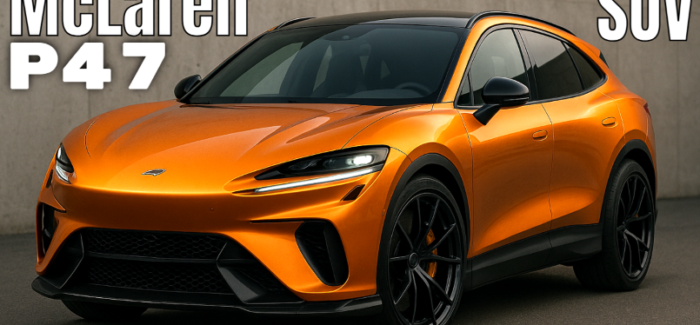
Every automotive brand evolves. For the British supercar maker McLaren, known for its two-door mid-engine machines and razor-sharp focus on performance, the idea of stepping into the SUV world might have once seemed unthinkable. But the future is shifting, and with it comes the promise of something unexpected: a four-door, five-seat performance SUV that could forever reposition McLaren’s place in the automotive landscape.
What we know so far is tantalising. The vehicle, internally code-named P47, is slated for a 2028 arrival. It will become McLaren’s first four-door model, its first five-seat machine, and arguably its boldest move yet. The powertrain is reportedly a hybridised V-8, paired with all-wheel drive, designed not for modest fuel economy but for maximum dynamic effect. One source described the hybrid element as an “electric assist to amplify performance,” rather than a plug-in for city commuting. The styling is said to lean super-car hard—sculpted and muscular, with a low roofline, 24-inch wheels, a prominent rear diffuser and spoiler, and a dramatic “spine” running down the bodywork.
What excites me is how McLaren might retain its DNA even as it enters this new arena. The weight distribution, chassis tuning, aerodynamic efficiency—they all must honour the brand’s legacy of agility, responsiveness and precision. What if the P47 sits lower than most performance SUVs, offers seating for a small family without compromising driver focus, and blends the visceral throttle and exhaust cues McLaren owners expect with subtle new-age luxury touches? Imagine the occasional corner where you feel the hint of mid-engine behaviour, the steering razor-sharp, the launch-control snarl unmistakable, even as your kids buckle in for the ride home.
I also see potential for innovation inside. Flush seats with pronounced bolsters, a driver-focused digital cluster, Alcantara or leather touches in signature McLaren orange or carbon-fibre finishes throughout. Rear seats that remain adult-friendly but still alive to the brand’s sporting heritage—perhaps a fold-down armrest with integrated controls, or a minimalist centre console that echoes the super-car podium style.
Of course, any venture into the SUV segment comes with challenges. Brand purists will ask: “Is this still a McLaren?” Pricing will become an interesting variable—will the P47 demand super-car money and deliver super-car exclusivity? Will it arrive globally and compete with the likes of the Ferrari Purosangue, the Lamborghini Urus and other high-end performance SUVs? And from a technical standpoint, integrating a larger body, additional seats and four-door architecture while preserving that lightning-quick McLaren feel will not be trivial.
Still, the opportunities are immense. McLaren entering the SUV arena means it can reach new buyers, justify larger production volumes, fund next-generation hyper-cars and electrified technologies, and secure its future. For a brand that once resisted the SUV wave, this feels like a carefully measured next chapter rather than a wild pivot.
Submit a Comment