








Manual GT3 vs Mustang GTD: Lap Time Showdown and Real-World Performance
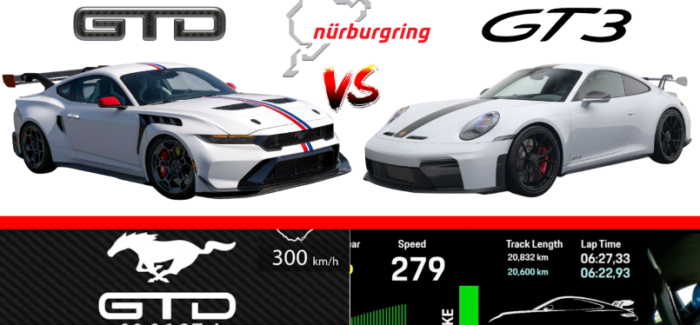
The Porsche 911 GT3 with the manual transmission and the Ford Mustang GTD take wildly different paths to the same destination: a lap that leaves you grinning and a memory that lingers long after the cool-down. The GT3 is the purist’s scalpel. You feel each notch of the 6-speed gate, the 4.0-liter flat-six spins to 9,000 rpm, and the front end reads the road like Braille. It rewards clean inputs and patience, and when you link a set of corners just right, it is like nailing a perfect serve on a windy day—quietly satisfying and loud all at once. Porsche keeps the weight low, the feedback high, and the drama measured. It is not shouting; it is whispering with authority.
The Mustang GTD is a different conversation entirely. Fire the supercharged 5.2-liter V8, and the room goes silent. This car takes all the track-day tricks—pushrod rear suspension, spool-valve dampers, aggressive aero—and cranks them to a level you do not expect from a car with a pony badge. The rear transaxle and serious rubber give it the kind of traction that dares you to brake later and get on power earlier. There is muscle, sure, but there is also intent. It is not a blunt instrument; it is a well-tuned orchestra that just happens to love guitar solos.
On a fast circuit, the GT3 flows. The natural aspiration makes throttle modulation a joy, and the manual keeps you part of every decision. You are not simply quick; you are involved. The steering tells you exactly how the front tires are feeling, and when the car loads up, it rotates with a confidence that calms your heartbeat rather than spiking it. The brakes are steady lap after lap, and the aero is enough to lean on without turning the car into a science project.
In the GTD, speed comes with theater. Down the straight, the V8’s shove is unreal, but what makes the car truly impressive is what happens when the straight ends. The front bites hard, the rear sticks, and the body control stays locked even when the surface gets messy. You feel the engineering working on your behalf—lessons taken from racing and converted into lap time and stability. Hit a curb a bit too eagerly and the car shrugs it off. Ask more of the brakes and they dig deeper. You keep waiting for the moment it asks you to back down, and it keeps giving you a little more.
Choosing between them is really choosing what you value in a great drive. If you crave mechanical intimacy, if a perfect heel-and-toe downshift is your idea of happiness, the GT3 is your north star. If you want a road-legal track weapon that rewrites what a front-engine American coupe can do, the GTD is your headline. Either way, you climb out of both cars a little wired, a little humbled, and already thinking about the next session.
Submit a Comment