








Inside Porsche’s Engine Assembly: The Human Touch Behind the 911
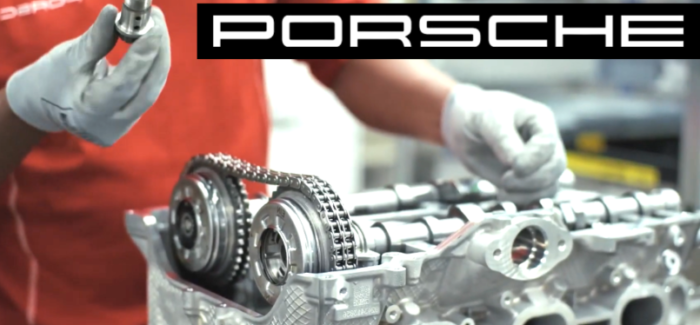
The Porsche 911 engine is not just a piece of engineering—it is a symbol of precision, legacy, and dedication. At the heart of its creation lies the Zuffenhausen plant in Stuttgart, Germany, where tradition and modern technology come together in perfect harmony. This is not a fully automated factory. It is a place where skilled technicians and high-tech systems work side by side, assembling every engine with care, intention, and experience.
The process begins with the engine block, which forms the core of the 911’s flat-six architecture. After an initial inspection and cleaning, it enters the assembly line. This line, however, is unlike any typical mass production setup. While some steps are assisted by machines, most of the critical assembly tasks are handled by human hands. This includes inserting pistons, installing the crankshaft, and ensuring every component fits within strict tolerances. Nothing is rushed. Every step is treated with respect for the engineering behind it.
One of the defining features of the Porsche 911 engine is its flat-six layout, which contributes to the car’s low center of gravity and legendary balance. Each flat-six is assembled with pinpoint accuracy. Pistons are fitted with care. Crankshafts are torqued to precise specifications. The work demands patience and deep familiarity with the components. Assembly technicians develop a sense of rhythm, where the tightening of a bolt or the alignment of a bearing becomes part of a fluid process grounded in years of experience.
Turbocharged variants introduce additional complexity. The installation of twin turbochargers and their associated components requires precision that machines alone cannot deliver. Human judgment plays a vital role in aligning intake manifolds, fastening turbo plumbing, and managing heat shielding. Even small deviations could compromise reliability or performance, so seasoned hands perform these steps with the confidence that only years of craftsmanship can provide.
Another major phase is the cylinder head assembly. This part involves meticulous work to ensure valve timing, clearance, and function are absolutely correct. Every valve spring is positioned manually. Rocker arms are placed with measured pressure. Each head is torque-checked, visually inspected, and verified before moving on. Even with modern technology supporting the process, human eyes still perform the final quality assessment.
After mechanical assembly, the engine is transferred to a test station for dynamometer evaluation. This is a crucial step where the completed engine is started for the first time and monitored under controlled conditions. Sensors record performance metrics like oil pressure, temperature, and output. But beyond the numbers, skilled technicians listen. They feel the vibrations, hear the tone of the engine, and detect inconsistencies that a computer may not catch. It is a balance of data and instinct, analytics and intuition.
What sets Zuffenhausen apart is the respect for craftsmanship. Even though the facility uses state-of-the-art equipment, Porsche emphasizes manual assembly as a core value. The production area is clean, quiet, and designed to foster focus and consistency. Tools are organized with purpose. Workflow is optimized not only for speed but for quality. Everything about the environment signals the importance of the product being built.
Engine assemblies are transported by Automated Guided Vehicles, which help manage the flow of components. These smart transport systems ensure that engines move safely and efficiently through each station. Yet, despite these logistical advancements, humans remain at the center of the process. They make final adjustments. They verify alignment. They sign off each phase with their name and personal responsibility.
Quality control does not end at the dyno station. Each engine undergoes acoustic testing in specialized chambers where trained technicians use advanced microphones and their own ears to detect abnormalities. Under bright inspection lights, surfaces are examined for any signs of imperfection. Porsche believes that every engine must be flawless—not just in performance, but in detail.
The Zuffenhausen plant continues to evolve. Investments in flexible production systems now allow internal combustion and electric powertrains to be assembled under the same roof. This future-facing approach respects Porsche’s legacy while preparing for what comes next. But even as the tools change, the heart of the process remains rooted in human skill and accountability.
The result is more than just an engine. It is a product of pride, tradition, and excellence. The Porsche 911 engine represents not only power and performance, but also the hands and minds that built it. At Zuffenhausen, every flat-six that rolls off the line is a promise—a promise that the soul of driving is still very much alive.
Submit a Comment