








How Denza N9’s Eye of God B Drove All 99 Bends Safely
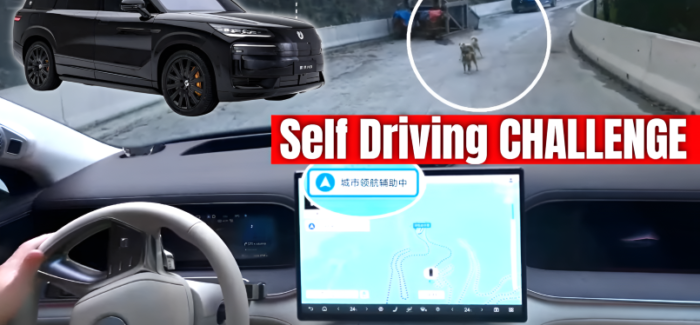
Imagine navigating a dizzying mountain road that snakes through sheer cliffs and plunging drops—99 tight bends stretched across 10.77 kilometers, climbing more than 1,000 meters in elevation. The path is narrow, steep, densely curved, and demands absolute precision. In this daring test, the BYD Denza Tengshi N9, equipped with its “Eye of God B” assisted-driving system, took on the challenge. It guided the vehicle steadily, safely, and efficiently through the entire course. The mission succeeded.
From the moment the wheels left the base, the assistive driving system monitored every turn. It anticipated each bend, moderated throttle and braking, and kept the vehicle aligned within the lane, even when inertia threatened to pull it wide. On some of the tightest hairpin turns, where steering input must be exact to avoid clipping the inner wall or straying outward, the system delivered precise control. Human drivers might hesitate or overcorrect; the system held a calm, consistent line.
The road’s narrow width left little room for error. In many stretches, climbing or descending required the system to adjust longitudinal and lateral controls dynamically, balancing torque, grip, and steering response in unison. The elevation change introduced additional physical stress: gravity, shifting weight distribution, and uphill torque demands all challenged stability. The Denza N9’s sensors—cameras, radar, lidar—constantly fed data to on-board computing, allowing real-time adaptation to gradients, road curvature, and surface conditions.
But this was not pure automation without human oversight. A human driver remained present, alert, and ready to intervene if needed. The system’s purpose was to assist—not to replace judgement altogether. That interplay between machine and human, that “Human Touch,” is what made the journey possible. When the system responded, the human watched; when the human judged, the system awaited. Together they carved a path through the mountain.
At key sections the challenge felt poetic: negotiating a downward spiral, threading between sheer rock and sheer drop; pressing upward in a steep incline, trusting the system to distribute torque cleanly. Every segment required trust: trust in sensors, in algorithms, and in human awareness. The Denza N9 emerged unscathed, the assistive driving engaged continuously, and the car passed every bend with composure.
This demonstration affirms that advanced driver assistance systems are not only for highways or urban streets—they can perform in treacherous mountain terrain when paired with smart engineering and human vigilance. It suggests a future where difficult roads become accessible without compromising safety or control.
Submit a Comment