








Dishwasher Test: Helix Robot’s Quiet Breakthrough and the Tesla Optimus Robot Angle
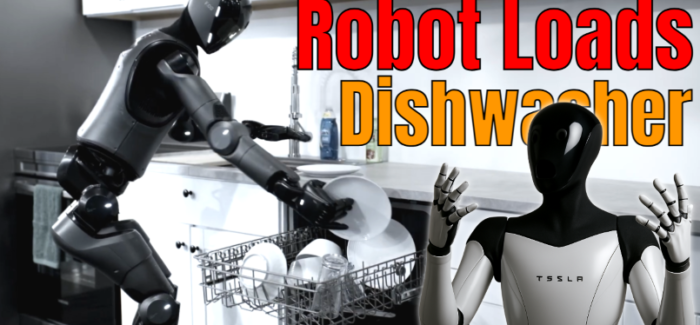
The nightly dish pile is a test of patience and priorities. Tonight, a quiet hum replaces the usual sigh. A humanoid steps forward, reads the scene, and starts clearing the counter. It is a simple household moment made new, and that is what makes Helix loading the dishwasher feel like a turning point rather than a tech demo.
Watch the hands first. Plates are read like little maps: edges, weight, and wobble. A gentle pinch, a slight wrist roll, and the plate slides into the rack without clatter. Cups follow with a tilt that avoids the prongs. Cutlery gets sorted, not stacked. The robot checks spacing twice before closing the lower tray, because empty spaces matter when water has to flow. This is not a preprogrammed dance. It looks like judgment, and that is the magic.
What changes here is not just a new skill but a new rhythm at home. The robot listens to plain instructions, interprets a messy scene, and chooses grasps on the fly. That is hard. Kitchens are chaotic. Lighting shifts. Objects hide behind other objects. Yet the motion stays smooth enough to trust. The aim is not to win a speed contest. The aim is to finish the job with fewer mistakes and less human micromanagement.
There are limits today. The robot still takes its time. It prefers clear lanes, steady counters, and a little patience. But that is how real adoption usually begins. One chore becomes the reliable chore. Then 2. Then 3. The payoff shows up as minutes saved, noise reduced, and a little more energy left after dinner. That is the moment households remember.
What stands out is the hands. Finger pressure eases on delicate glass, tightens on a heavy bowl, and resets when a part slips. You can almost see the learning loop at work: look, decide, try, adjust. The small corrections are the story. They are the difference between a staged tutorial and a helper you welcome into the kitchen tomorrow.
Some viewers will compare it with the Tesla Optimus Robot. Competition is good for pace. What matters for families, caregivers, and busy professionals is simple: can the robot do the chore well without drama, and will it keep doing it on a random Tuesday when the sink is full and the lighting is harsh? Loading the dishwasher is not glamorous, but it is a perfect benchmark for useful autonomy. It mixes clutter, fragility, and tight spaces. Nail that, and you are closer to laundry, tidying, and restocking shelves.
If this is your first time seeing a robot do a home task end to end, do not just watch the big moves. Watch the pauses. The pause before a grasp, the pause before shutting the door, the pause after the final rack push. Those pauses are care. And care is what makes technology feel like a teammate.
Submit a Comment