








2026 Geely Starwish Review: The Small EV That Thinks Big
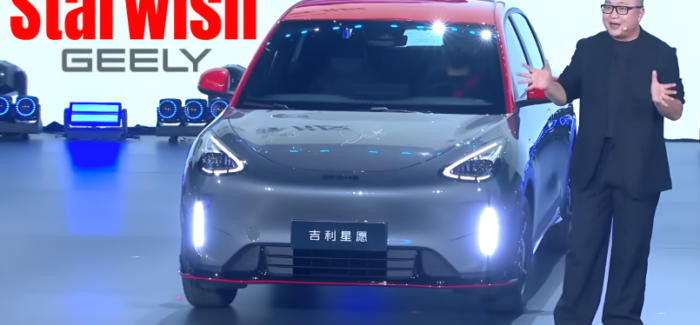
Geely’s 2026 Starwish takes the friendly city EV formula and adds real-world range, quick charging, and a clean, modern cabin that feels more expensive than the price suggests. The proportions are tidy and confident. You get a short nose, a planted stance, and smooth bodywork that helps the car look fresh without trying too hard. Slim headlights and a crisp rear light signature give it presence in traffic, while the tucked door handles and simple surfacing keep the design clean.
Under the skin, the Starwish keeps things straightforward with a rear-motor, rear-wheel-drive layout. Two power levels are expected. The entry version targets about 58 kW and the higher-spec model steps up to roughly 85 kW, both tuned for quick city response and calm highway cruising. Battery choices mirror that approach: around 30 kWh if you value price and lightness, or about 40 kWh if you want longer legs. On paper, that means approximately 310 km to 410 km of range on the optimistic CLTC cycle, and the real win is charging from 30% to 80% in roughly 21 minutes when you find a capable fast charger. That is the difference between planning your day around the car and letting the car slot into your day.
The dimensions make sense for urban life without feeling cramped. Length sits just over 4,100 mm, width is about 1,800 mm, height is around 1,570 mm, and the 2,650 mm wheelbase helps rear passengers and cargo space. The suspension tune aims for comfort first with enough control to keep the cabin settled over broken pavement. Steering is light at parking speeds and gains weight as speed rises, which suits daily driving.
Inside, the Starwish goes for calm and simple. A large central display handles navigation, media, and climate, and a compact digital cluster keeps essential info in your line of sight. The interface is quick to learn, with voice control for common tasks and over-the-air updates planned to keep features fresh. Higher trims add a surround-view camera, advanced driver assistance for traffic and cruising, and a better audio package. Materials are smartly chosen for touch points, with seats that hold up on longer drives and plenty of storage in the doors and center console. Thoughtful details—like a flat floor in the back and wide-opening doors—make it easier to live with every day.
Where the Starwish stands out is how it balances cost with capability. Many small EVs look cheerful but ask you to compromise on range or charging. Here, the longer-range battery makes real weekend trips possible, and the charging performance keeps road-trip stops short. The rear-drive layout also gives the car an easy, natural sense of rotation in tight corners without ever feeling twitchy. Add in the tidy footprint and you have a city EV that does not fall apart when you leave the city.
If you are cross-shopping, think of the Starwish against BYD Dolphin and Seagull or other compact EVs. The Geely counters with a refined ride, quick charging claims, and a cabin that looks a class up. The expected Proton eMas 5 twin in some markets should broaden availability and support, which is great for buyers who want local service options.
The 2026 model year focus is incremental improvement: small visual updates, a neatly curated color palette, and minor efficiency and feature tweaks. That is exactly what this segment needs—steady refinement rather than reinvention. If you want an approachable electric hatch that respects your time and budget, the 2026 Starwish belongs on your short list.
Submit a Comment